True story
Dear all, let's write a good story about our lovely meal, if you have a historic material about pljeskavica, please send it to altus.turn@gmail.com
Dragi svi, hajde da napisemo dobru pricu o nasem divnom obroku. Ako imate historijski materijal o pljeskavici, molimo vas da ga posaljete na altus.turn@gmail.com
Quote from The Guardian
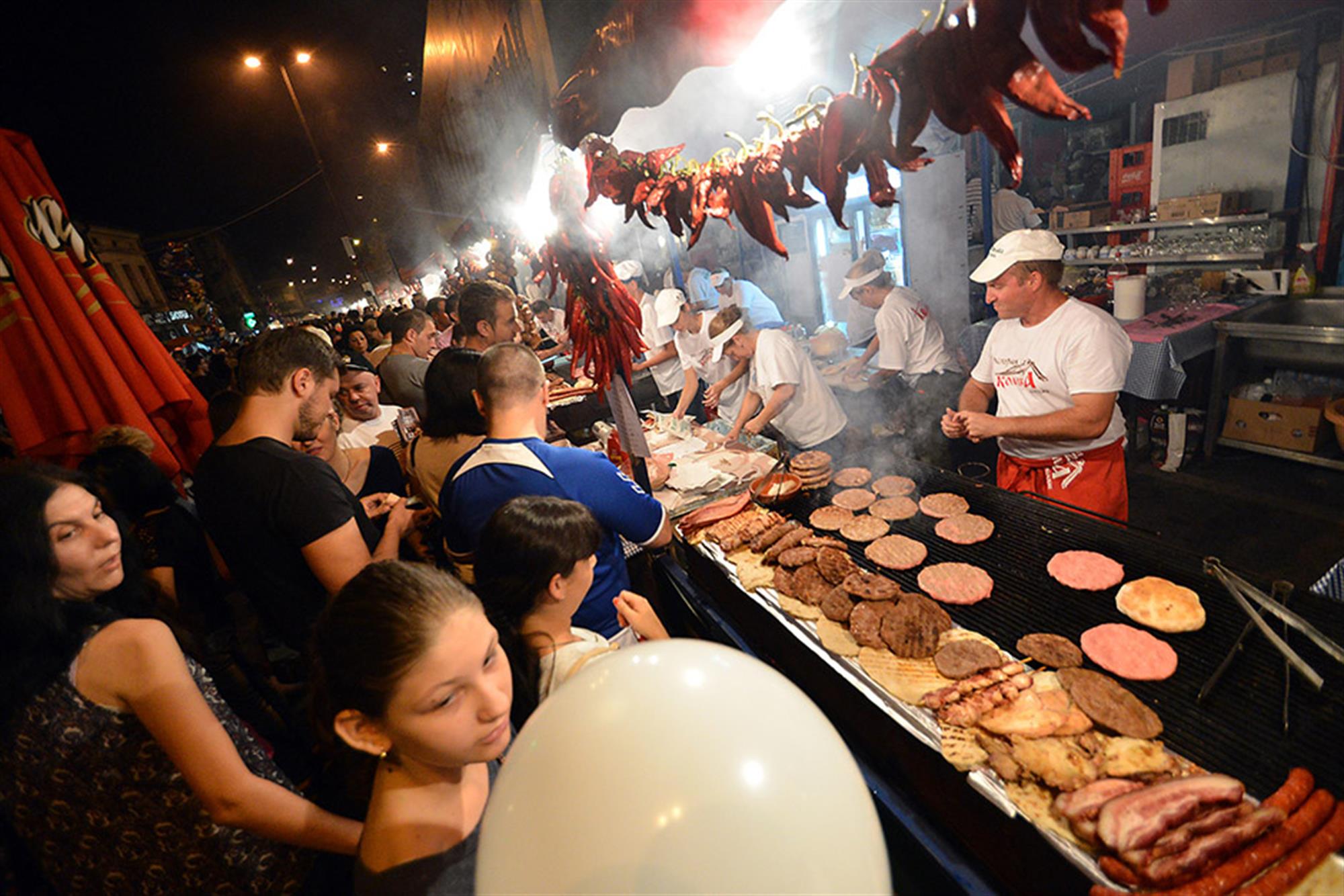
It’s rural, country-style cooking. Puritans will say that good and proper pljeskavica can be only with cabbage salad or cheese from the kajmak – a dairy product from the Balkan region made by collecting milk skin and adding salt, it’s divine. Young, old, rich, poor, hipsters … We are all the same while in the queue for pljeskavica.
So...
Pljeskavica is a traditional Serbian grilled dish made of spiced minced pork, beef, and lamb. Its history traces back to influences from the Ottoman Empire, with origins in ancient civilizations like the Assyrians and Persians. The name "pljeskavica" comes from the Serbian verb "pljeskati," meaning "to clap," describing the traditional way the meat patty is pressed by hand. This dish has been mentioned since the 19th century and is popular in Serbia, the Balkans, and Central and Eastern Europe. Leskovac pljeskavica from southern Serbia is a well-known variety and has been a legally protected name since 2008.
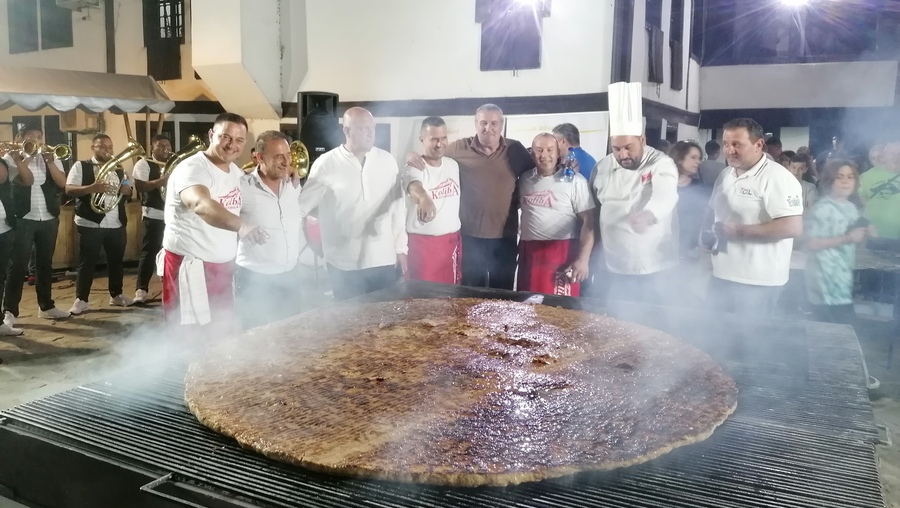
The dish is often accompanied by toppings like onions, kajmak, ajvar, and fresh vegetables. Its popularity spread through the Balkans and it has become a national symbol of Serbian cuisine.
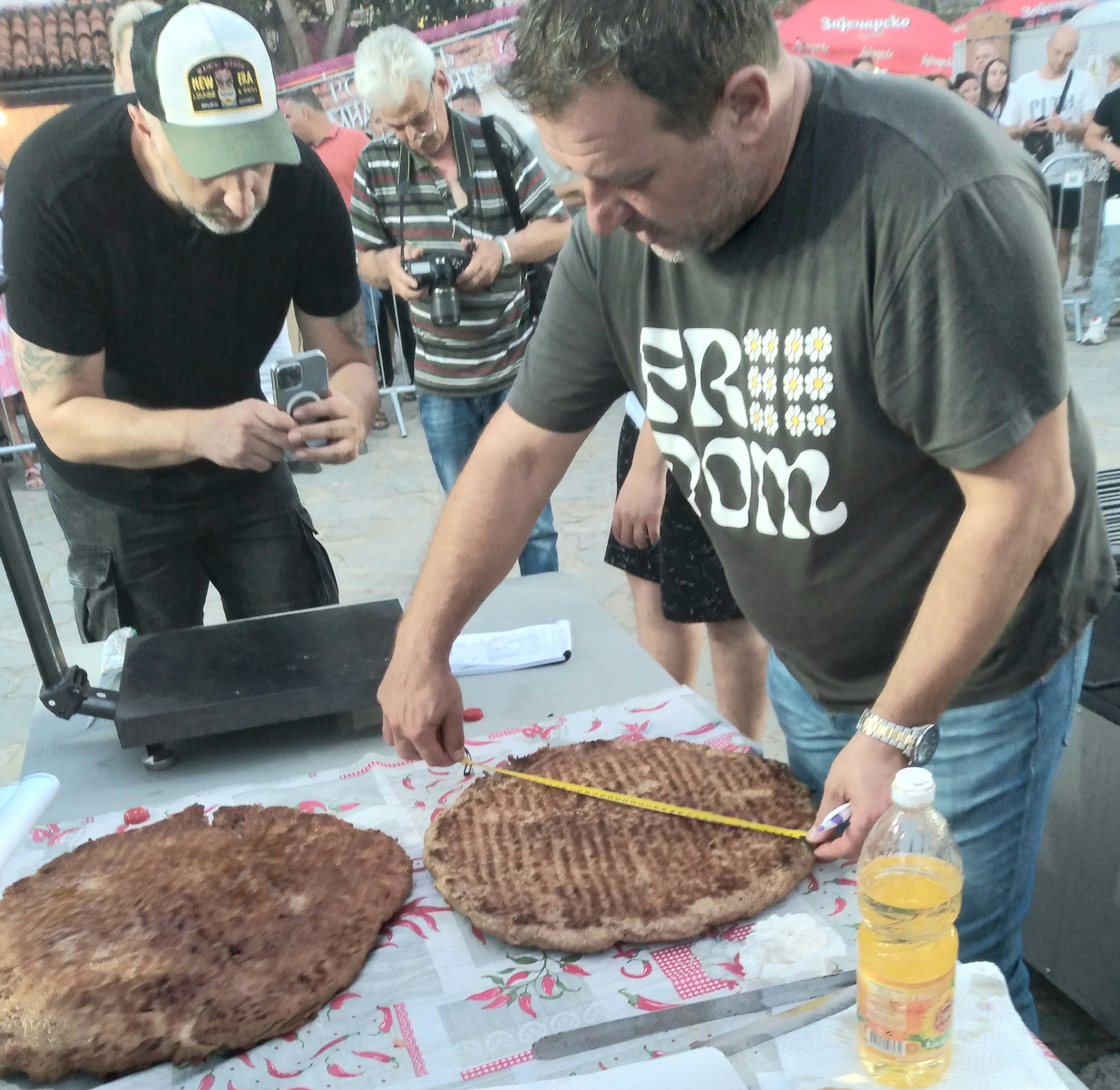
Name and Preparation.
The name relates to the clapping motion ("pljeskati" in Serbian) used to form the patties. Unlike hamburgers, pljeskavica includes spices like salt, pepper, onion, and sometimes bacon, and involves a longer mixing process to make the meat more elastic and juicy.
Events
Every year your could visit grilled meat barbecue-based festival organised at the beginning of September in Leskovac, Serbia. Wiki ppage about an event - Link